
In the ever-evolving world of graphic design, 2025 marks a vibrant turning point. As technology advances and audiences crave authenticity, designers are blending innovation with human touch — giving birth to new visual languages that are shaping branding, digital media, and creative expression globally. Below are some of the most influential trends defining the graphic-design landscape today.
🎨 1. Bold Minimalism & Minimalist Maximalism
Minimalism has evolved. Instead of delicate, understated compositions, designers are now embracing bold minimalism — clean layouts, generous negative space, but with striking color pops, oversized typography and confident compositions.
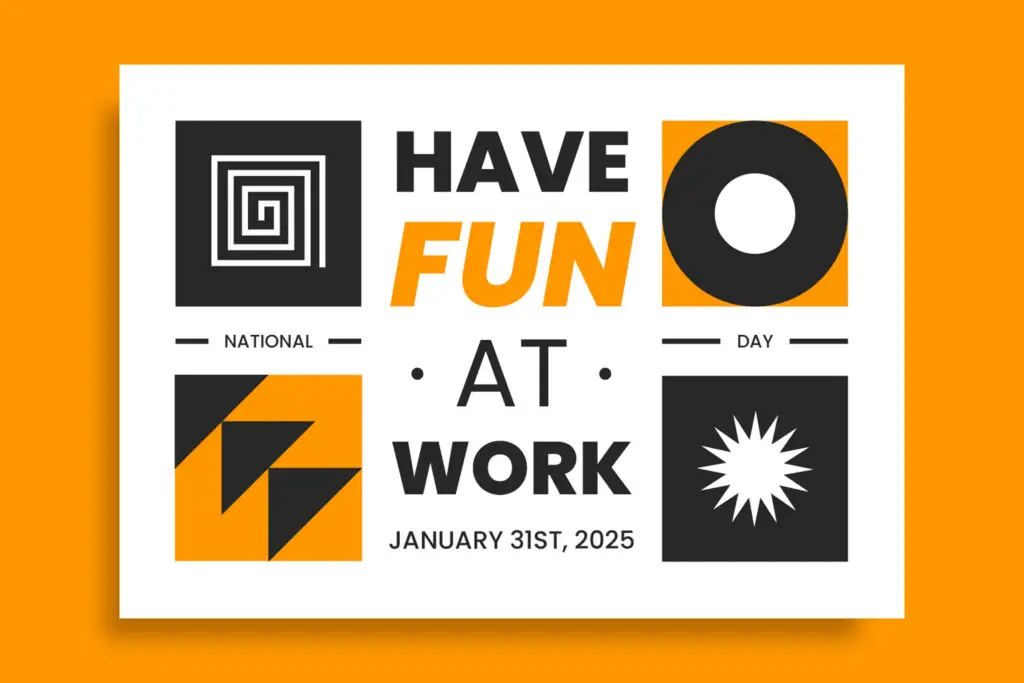
At the same time, a hybrid approach often called “minimalist maximalism” is rising: the balance of simplicity and boldness — combining minimal structure with maximal energy. Think: a single powerful graphic element, but used with dramatic scale, contrast, or color.
This trend works especially well for brands or digital platforms that want clarity without sacrificing character, offering a modern, confident aesthetic that feels both clean and impactful.
🔄 2. Retro-Futurism & Nostalgic Digital Vibes
Nostalgia meets tomorrow: a strong comeback of retro-futuristic design. Designers are blending past aesthetics (neon lights, pixel art, synthwave color palettes, old-school computer vibes) with modern execution — high resolution, crisp layouts, and current color sensibilities.
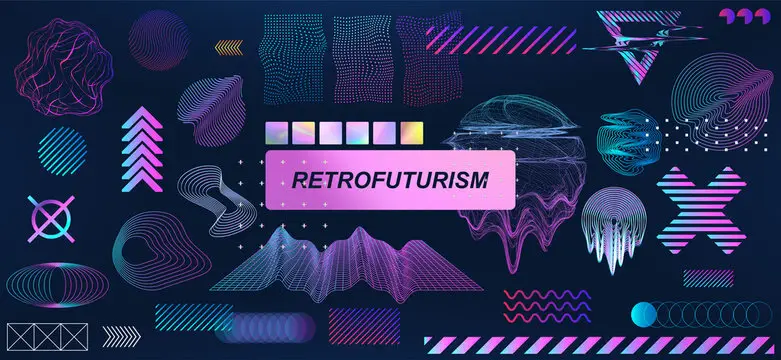
This “retro with a twist” style resonates especially with younger audiences and those who appreciate both nostalgia and innovation. It’s become a popular approach in branding for tech-forward or youth-oriented companies, posters, digital media, and entertainment visuals.
🌀 3. 3D, Motion & Immersive Graphics
Flat design is no longer enough. As digital platforms, social media, and interactive media evolve — so does design. In 2025, 3D visuals, motion graphics, and immersive design are becoming mainstream in graphic work, from branding to web design.
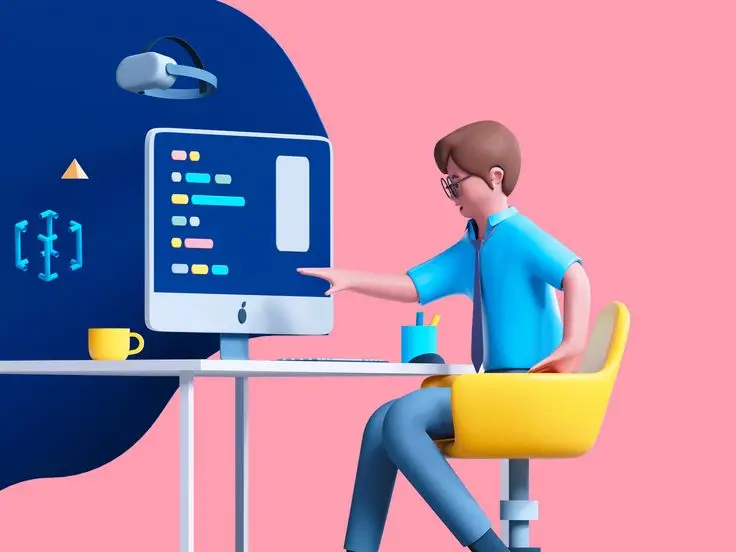
Animated typography, fluid forms, and motion-driven storytelling add depth and engagement to visuals: making them more dynamic, emotionally expressive, and memorable.
This shift reflects the demand for richer, interactive user experiences — especially important in digital marketing, social media content, and modern UI/UX.
✏️ 4. Human Touch — Hand-Drawn, Imperfect & Organic
While high-tech design flourishes, there’s a parallel resurgence of hand-made aesthetics, rough textures, organic shapes and “imperfect” visuals. In an era overwhelmed by perfection (often aided by AI), viewers increasingly value authenticity and human imperfection.
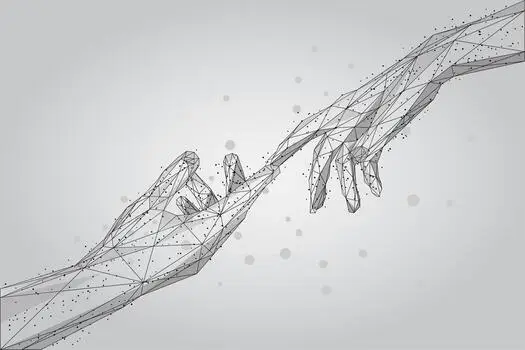
This trend — sometimes termed the “human touch” — shows up as hand-drawn illustrations, sketch-style graphics, visible brush strokes, or imperfect textures. The appeal lies in uniqueness, warmth, and the emotional connection that polished, automated design sometimes lacks.
For brands that want to feel personal, approachable, or artisanal, this style offers a way to stand out — especially in an increasingly homogenized digital world.
🆕 5. AI-Enhanced Creativity & Hybrid Workflows
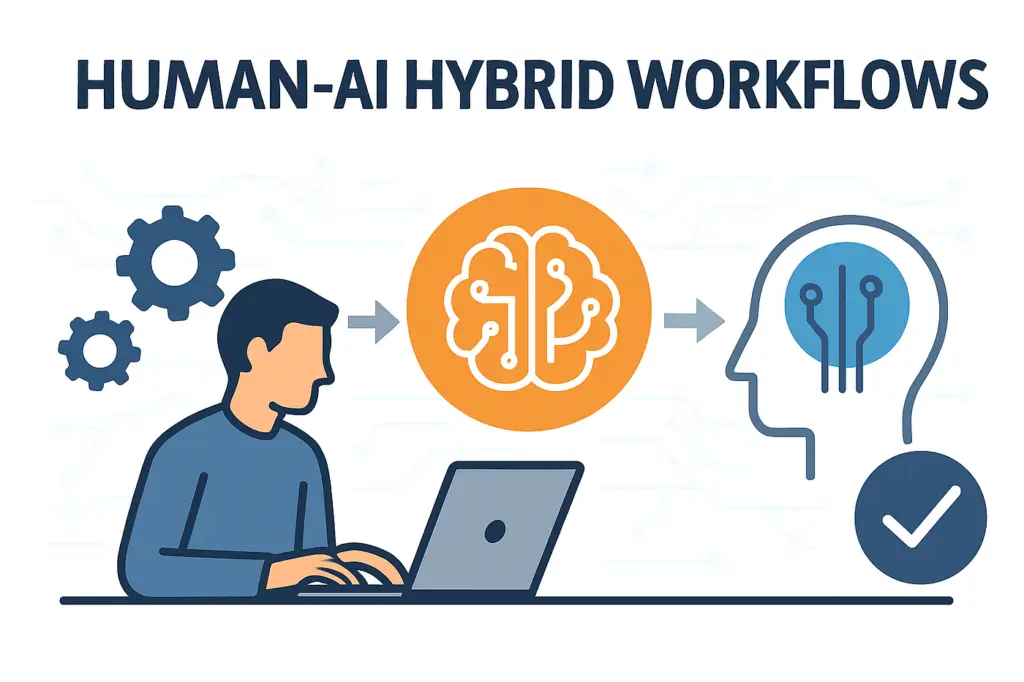
Artificial intelligence isn’t just a buzzword — it’s actively transforming how graphic design is done. In 2025, many design teams combine AI tools for generating mockups, ideas, or patterns with human-driven curation, storytelling, and aesthetic direction.
While high-tech design flourishes, there’s a parallel resurgence of hand-made aesthetics, rough textures, organic shapes and “imperfect” visuals. In an era overwhelmed by perfection (often aided by AI), viewers increasingly value authenticity and human imperfection.
This hybrid workflow lets designers work faster, explore more variations, and experiment — while still preserving the creative decisions, nuance, and emotional intelligence that only humans can provide. The result: efficiency + artistry.
For digital agencies or freelance designers, mastering this balance between AI and human creativity is increasingly becoming a key competitive advantage.
Why These Trends Matter — and What It Means for Designers
Stand out or blend in? In a saturated visual environment (social media, online ads, digital branding), these bold, experimental trends help creatives and brands stand out — whether through motion, color, texture, or nostalgia.
Human connection over perfection: With AI-generated content abundant, audiences often gravitate toward designs that feel “real” — with imperfections, warmth, personality. Hand-drawn or organic styles offer that human connection.
Flexibility for different audiences: From minimalistic corporate brands to edgy startups, from eco-conscious ventures to retro-centric youth-focused brands — there’s a trend tailored for each. This diversity opens creative possibilities.
Tech × art synergy: The rise of 3D, motion graphics, AI-assisted design, and immersive media shows that the future of graphic design is at the intersection of technology and creativity. Designers who learn to navigate this space will be ahead of the curve.
How You Can Leverage These Trends (as a Designer or Brand)
Mix and match trends: e.g. combine bold minimalism with hand-drawn touches, or retro-futurism with eco-color palettes — to create unique, differentiated visuals.
Use motion/animation for web and social content: animated typography or 3D elements add engagement and reflect modern digital consumption habits.
Prioritize authenticity and conscientious design: adopt organic textures, “imperfect” visuals, and sustainable color palettes if your brand values align with humanism or environmental awareness.
Don’t fear AI — use it as a tool: let AI assist with mockups or repetitive tasks, but let human creativity guide the final design direction.
Stay updated: Design trends evolve rapidly. Be open to experimentation but keep your core brand identity consistent.
“Loved this! It’s fascinating how graphic design trends are shifting toward more expressive and experimental styles. The blend of AI tools with human creativity is especially game-changing.”